Patents & Technology Behind MENG ROBOT Welding Automation
Patents and core technologies behind MENG ROBOT welding automation—motion, tracking, control, process, and field adaptability—built for reliable on-site performance.


Past & NOW|Before/After: Setup, Motion & Quality
A paired look at “what changed” across two clips: cell setup decisions, motion smoothness tuning, and the small parameter habits that most directly improve bead consistency and repeatability.


Things to Weld|Part Choice, Fixturing & Robot-Friendly Paths
Two quick examples of “good parts to automate”: how geometry affects torch access, where to clamp to reduce distortion, and a practical approach to plan paths that avoid collisions and rework.

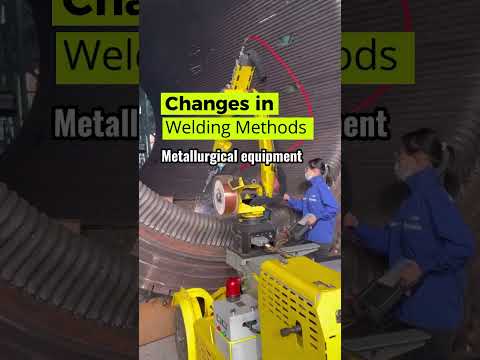
Welding Skills|Angle, Stickout, Speed & Corner Control
A compact skill pack: torch angle and stickout consistency, how travel speed affects penetration/ripple, and corner handling (blend/accel limits) to keep the arc stable and reduce spatter.
Core Patent Portfolio: From Motion to Field-ready Welding Performance
Motion & Mobility Patents
- Stable motion for long seams and large workpieces.
- Mobility-oriented designs for flexible deployment.
- Supports productivity in heavy fabrication environments.
Control & Intelligence Patents
- Smart control for repeatable process execution.
- Helps stabilize output across shifts and batches.
- Supports quality management and standardized production.
Welding Process Patents
- Process robustness for thick sections and critical joints.
- Supports consistent bead formation and defect control.
- Helps improve inspection pass rate and reduce rework.
Field Adaptability Patents
- Field-ready capability for outdoor and constrained spaces.
- Supports repair welding and on-site installation tasks.
- Helps keep quality stable under changing conditions.